


Running a business is exciting—but managing it effectively is what determines long-term success. Whether you’re launching a startup or running an established company, strong management skills help you stay competitive, profitable, and sustainable.

Manage a Business Successfully
In this guide, we’ll break down the key principles of managing a business successfully.
1. Set Clear Goals and Vision
Every successful business starts with a clear vision. Ask yourself:
- What problem does your business solve?
- Who is your target audience?
- Where do you see your business in 3–5 years?
Create SMART goals (Specific, Measurable, Achievable, Relevant, Time-bound). Clear goals help you and your team stay focused and aligned.
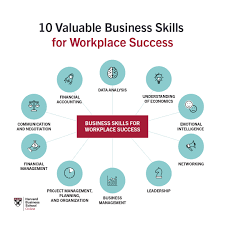
2. Build a Strong Business Plan
A business plan is your roadmap. It should include:
- Market research
- Competitor analysis
- Marketing strategy
- Financial projections
- Operational plan
Review and update your business plan regularly to adapt to market changes.
3. Manage Finances Wisely
Financial management is the backbone of any business.
Key financial practices include:
- Track income and expenses daily
- Maintain positive cash flow
- Separate personal and business finances
- Create a monthly budget
- Save for emergencies
Use accounting software to simplify financial tracking and reporting.
4. Focus on Customer Satisfaction
Customers are the heart of your business. Without them, growth is impossible.
To keep customers happy:
- Provide excellent customer service
- Respond quickly to complaints
- Collect feedback regularly
- Improve your products/services based on feedback
Happy customers lead to repeat business and referrals.
5. Build and Lead a Strong Team
Your team determines your business performance.
Effective leadership includes:
- Clear communication
- Delegating responsibilities
- Providing training opportunities
- Motivating employees
- Recognizing achievements
A positive work culture increases productivity and reduces turnover.
6. Develop Smart Marketing Strategies
Even the best product won’t sell without proper marketing.
Consider:
- Social media marketing
- Content marketing
- Email campaigns
- Search engine optimization (SEO)
- Paid advertising
Understand where your audience spends time and promote your business there.
7. Monitor Performance and Improve
Track key performance indicators (KPIs) such as:
- Sales growth
- Customer acquisition cost
- Profit margins
- Website traffic
- Conversion rates
Regular performance reviews help you identify strengths and weaknesses.
8. Stay Adaptable and Innovative
Markets change rapidly. Technology evolves. Customer behavior shifts.
Successful business managers:
- Stay updated with industry trends
- Embrace innovation
- Invest in technology
- Be open to change
Flexibility ensures long-term survival.
Final Thoughts
Managing a business is a continuous learning process. With clear goals, strong financial management, effective leadership, and a customer-focused approach, you can build a sustainable and profitable company.
Success doesn’t happen overnight—but with consistency, discipline, and smart decision-making, your business can thrive.














Leave a Reply