

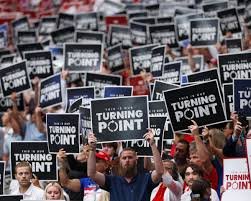
Global Politics at a Turning Point: Power, Policy, and Public Pressure in 2026
By DailyReport.live Political Desk
February 28, 2026
The political landscape in 2026 is defined by rapid shifts in leadership strategy, growing public scrutiny, and intensifying global competition. From economic reform debates to geopolitical realignments, governments across the world are navigating a delicate balance between domestic demands and international pressures.
This year is proving to be less about ideology alone—and more about execution, credibility, and public trust.
The United States: Policy Battles and Election Positioning
In the United States, political energy is increasingly shaped by long-term policy battles that are expected to influence the next national election cycle. Lawmakers remain divided over:
Federal spending priorities
Immigration reform
Border security
Climate and energy policy
Regulation of artificial intelligence
Both major parties are focusing heavily on economic messaging. Inflation management, interest rates, and job market stability continue to dominate public discourse. Voter sentiment suggests that economic confidence will remain the decisive factor in upcoming national races.
Meanwhile, congressional gridlock continues to slow large-scale reforms, pushing more policy action toward executive authority and state-level initiatives.
Europe: Security and Stability in Focus
Across Europe, governments are balancing economic challenges with long-term security planning. Energy diversification remains a top priority following recent supply disruptions, while defense budgets across several nations continue to rise.
The European Union faces internal debate over fiscal coordination, migration policy, and industrial competitiveness. Political coalitions in several member states have become more fragmented, reflecting voter dissatisfaction with traditional party structures.
Security cooperation within NATO is also under renewed focus, as member states reassess regional defense strategies and long-term commitments.
Asia-Pacific: Strategic Competition and Economic Realignment
The Asia-Pacific region remains central to global power dynamics. China continues expanding its diplomatic and economic influence, particularly through infrastructure and trade initiatives.
Meanwhile, India is strengthening its global partnerships, positioning itself as both an economic growth engine and a strategic counterbalance in the region.
Tensions surrounding trade routes, semiconductor supply chains, and territorial disputes remain flashpoints. However, diplomatic channels remain active, signaling that major powers are cautious about escalation.
The Middle East: Diplomacy and Domestic Reform
In parts of the Middle East, political momentum is shifting toward economic diversification and modernization. Governments are investing in technology, tourism, and infrastructure to reduce long-term dependence on energy exports.
At the same time, regional diplomacy has seen cautious improvements, with renewed talks aimed at stabilizing longstanding disputes. Internal political reforms, however, continue to face resistance from conservative factions in several states.
Africa and Latin America: Emerging Influence
Across Africa and Latin America, political narratives are increasingly centered on economic sovereignty, anti-corruption reforms, and debt restructuring.
Several emerging economies are renegotiating international financial agreements, seeking more favorable development terms. Regional organizations are gaining influence, and younger voters are demanding greater transparency and digital governance reforms.
Technology and Politics: The New Battlefield
Artificial intelligence, data privacy, and digital surveillance have become central political issues worldwide. Lawmakers are racing to regulate emerging technologies without stifling innovation.
Election security and misinformation remain high-priority concerns. Governments are investing heavily in digital safeguards as political campaigns become increasingly technology-driven.
Public Sentiment: Trust as the Deciding Factor
Perhaps the most significant political development in 2026 is not a single policy or election—but public trust.
Across democracies and non-democratic systems alike, citizens are demanding:
Transparency in governance
Faster economic relief
Stronger accountability
Clear communication during crises
Leaders who fail to respond effectively risk rapid political backlash amplified by social media and 24-hour news cycles.
Outlook: A Year of Strategic Decisions
The months ahead will test political resilience globally. Major elections, trade negotiations, and diplomatic summits are expected to shape the direction of global alliances and domestic reform agendas.
What remains clear is that political stability in 2026 depends not just on power—but on performance.
As events continue to unfold, DailyReport.live will provide in-depth coverage, analysis, and real-time updates on the policies and people shaping the future.
If you’d like, I can also:
Add SEO optimization (meta description + keywords)
Rewrite this in a more opinionated tonej
Add region-specific breaking news focus
Create a featured image layout version
Format it in WordPress-ready HTML
Turn it into a newsletter version
Just tell me your preference.










Leave a Reply